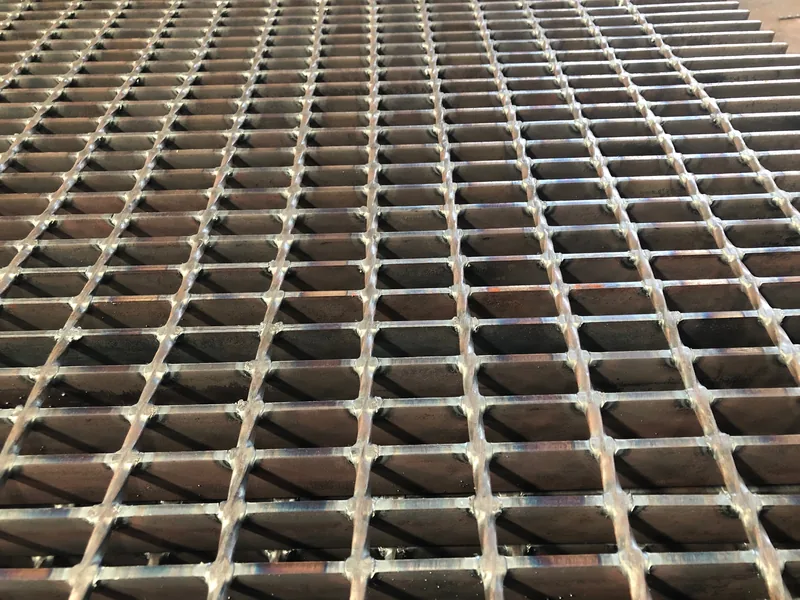
What is industrial floor grating?
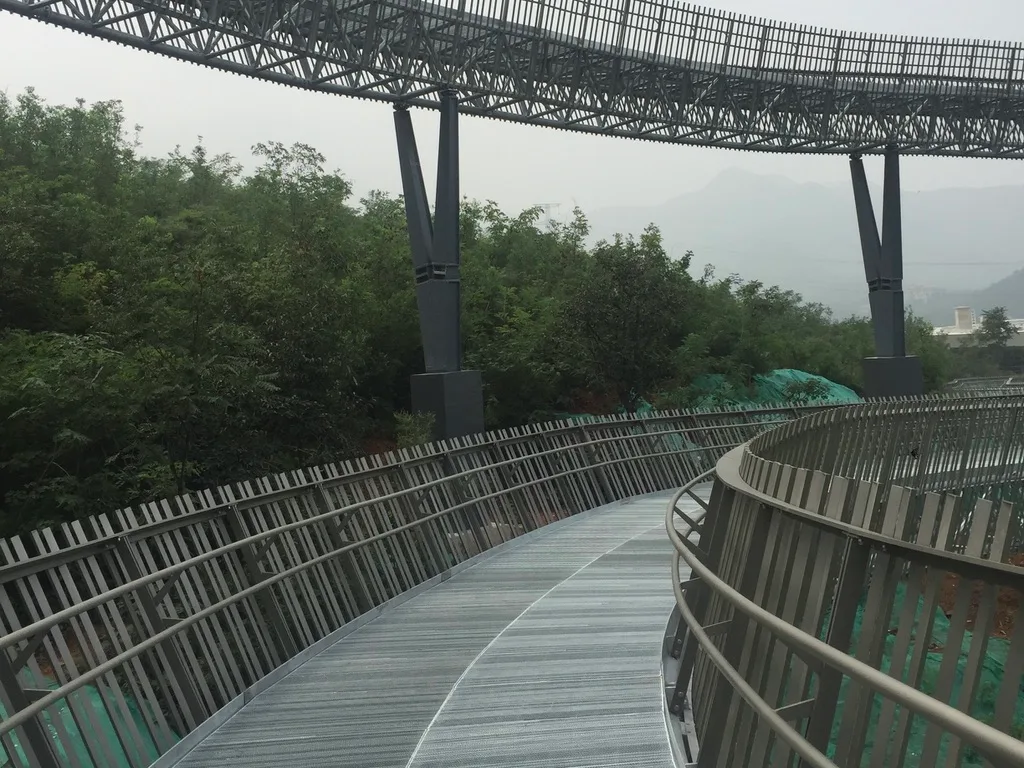
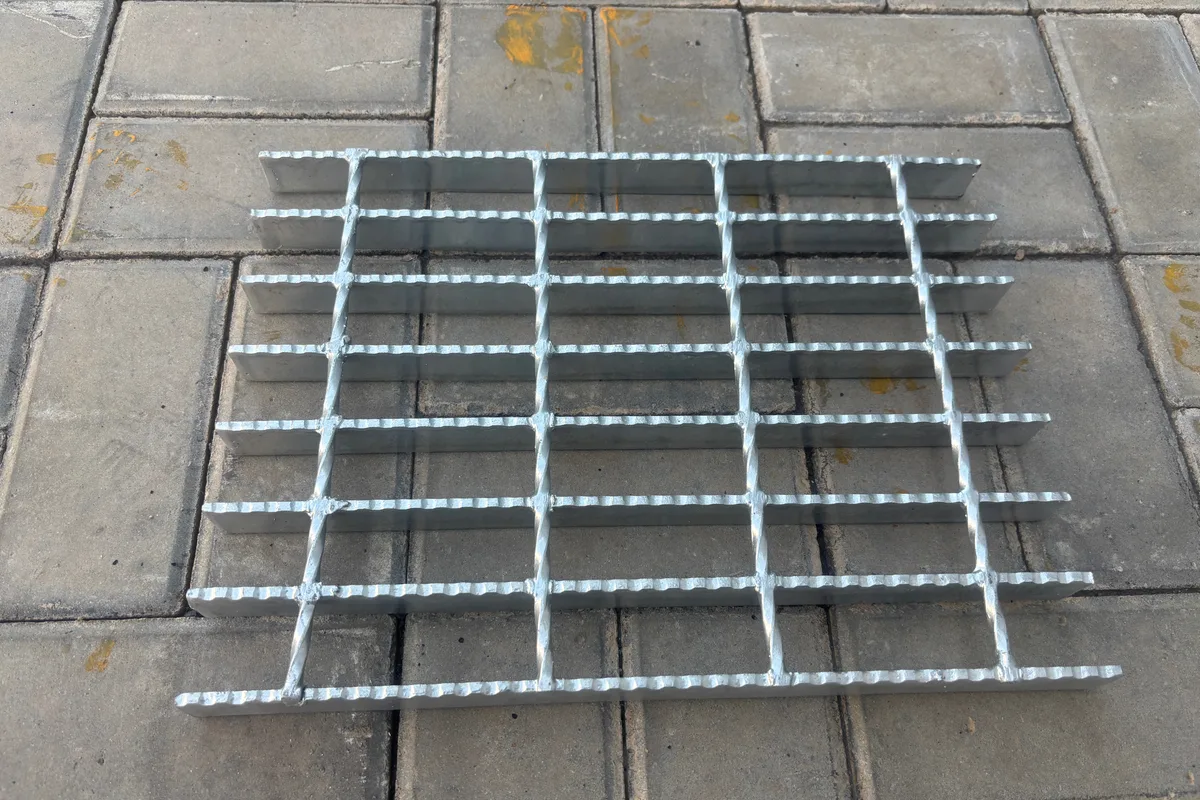
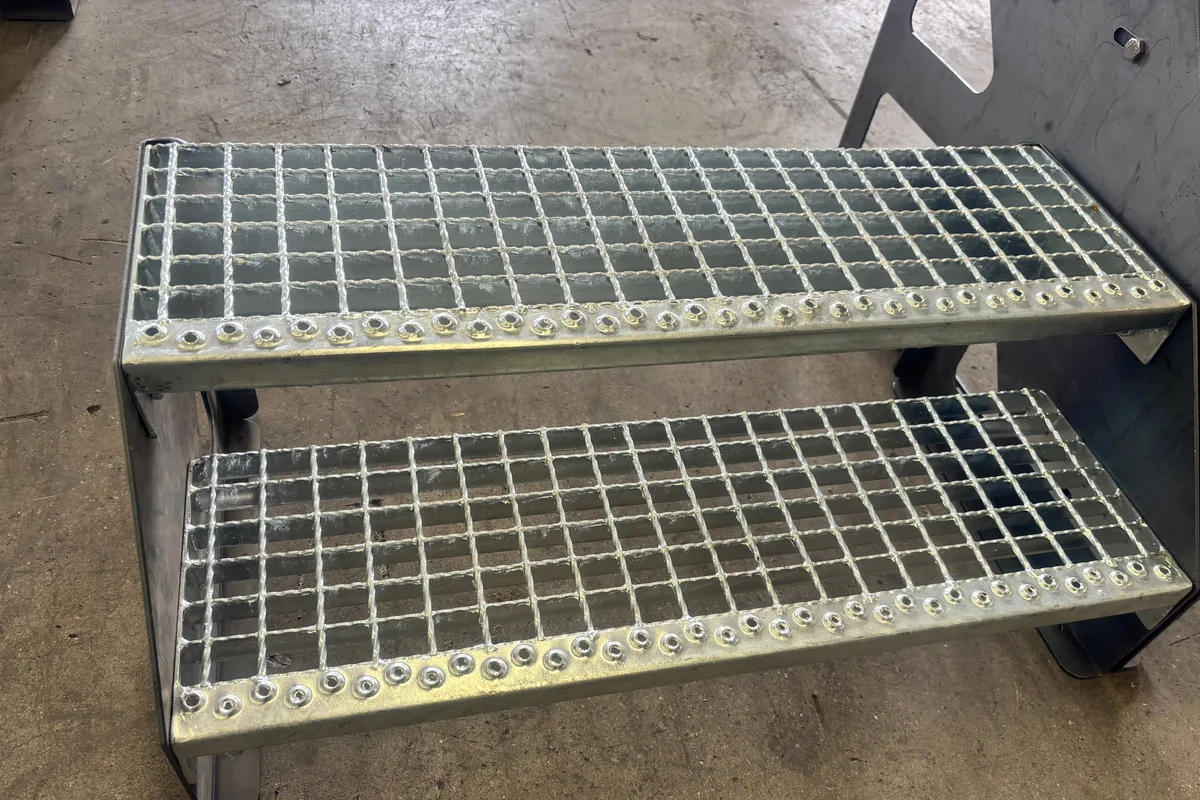
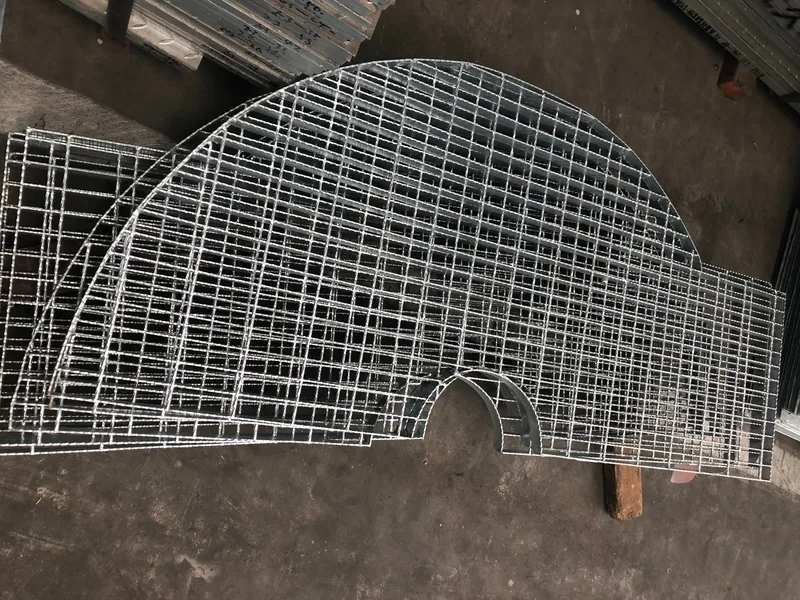
Industrial floor grating is steel grating used as a working floor inside plants and workshops rather than as a walkway or cover. It is supported on the building structure and becomes the floor people and equipment work on.
Why an open floor
- Ventilation: air and fumes pass through instead of pooling at floor level.
- Light: light from above reaches lower levels.
- Drainage and swarf: liquids, chips and debris fall through instead of collecting.
- Weight: less dead load than a solid slab of equivalent depth.
- Cleaning: spillage drains away rather than needing wash-down.
Compared with a concrete floor
| Feature | Grating floor | Concrete floor |
|---|---|---|
| Openness | Open; passes air, light and debris | Solid |
| Weight | Lighter | Heavier |
| Spillage | Drains through | Pools and needs cleaning |
| Small parts | Can drop through | Retained |
| Support | Needs support beams at set centres | Spans as a slab |
Support and fixing
- Panels are supported on steel beams or angles at set centres.
- Support spacing follows from the bar size and the load case.
- Panels are fixed down with clips or welded to prevent movement.
- Kick plates and edge angles close the perimeter where required.
Applications
- Machine shop and fabrication floors
- Mezzanine and equipment levels
- Wash bays and process areas
- Catwalks over process equipment
Usage cautions
- Open floors drop small parts—use finer pitch or a tray where that matters.
- Confirm support spacing for the actual equipment loads.
- Fix every panel down; a loose panel is a serious hazard.
- Consider slip: oil and coolant make plain bars slippery; serrated may be needed.
Ordering information
- Floor area, panel layout and support centres
- Bar size, pitch and surface type
- Load case including equipment point loads
- Fixing method, kick plates and edge details
- Finish and quantity
Industrial Floor Grating FAQ
Will small parts fall through?
Yes with coarse pitch; use finer pitch or a collecting tray where that is a problem.
How is it supported?
On steel beams or angles at centres set from the load case, then clipped or welded down.
Is it slippery with coolant?
Plain bars can be; serrated bearing bars are usually specified in wet or oily areas.