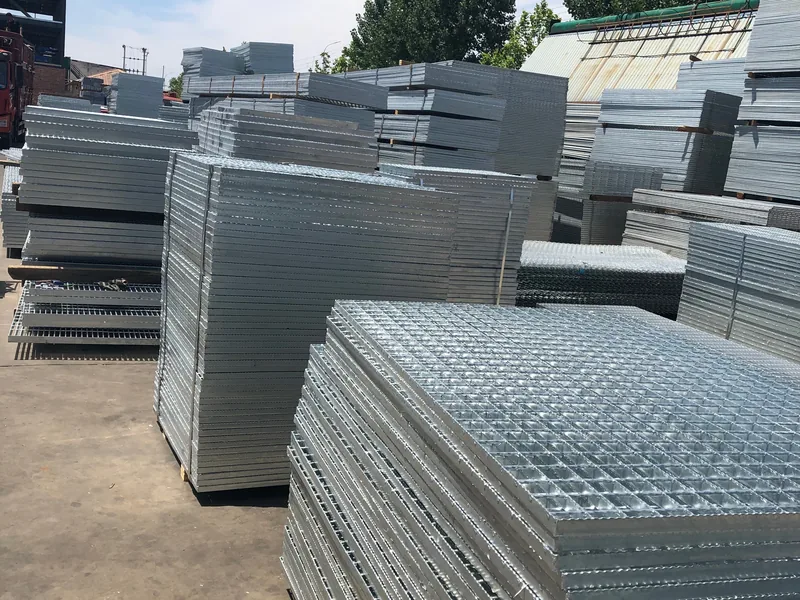
What does hot-dip galvanized mean?
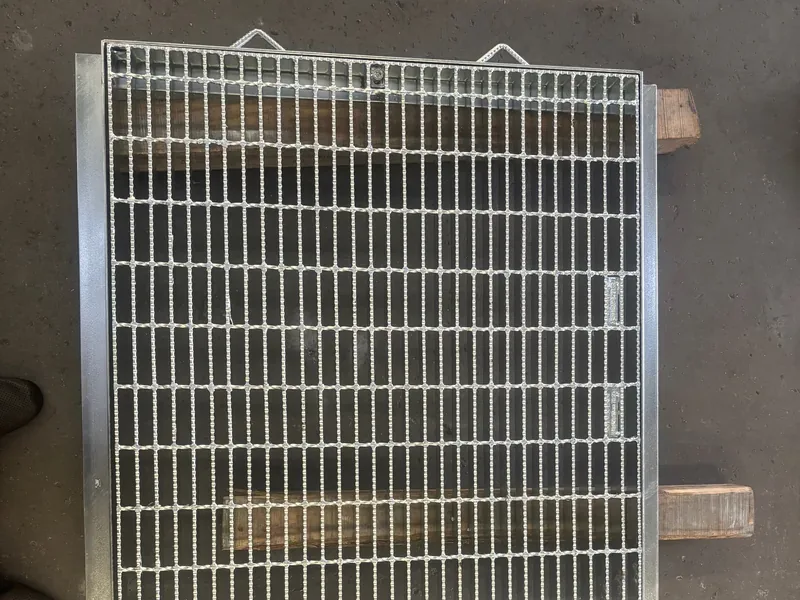
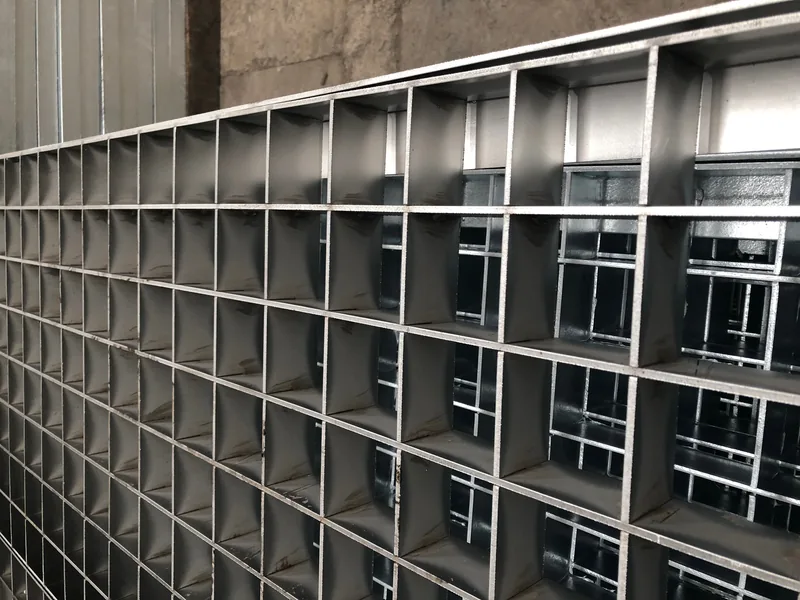
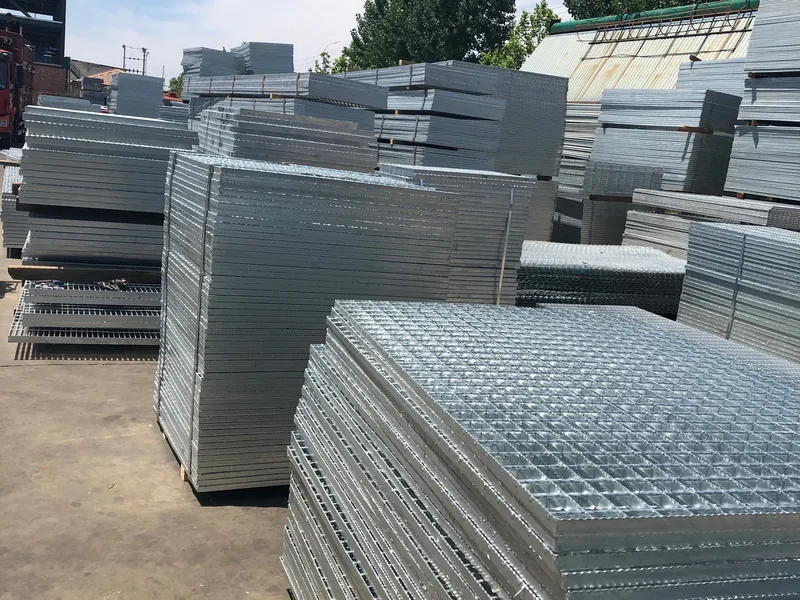
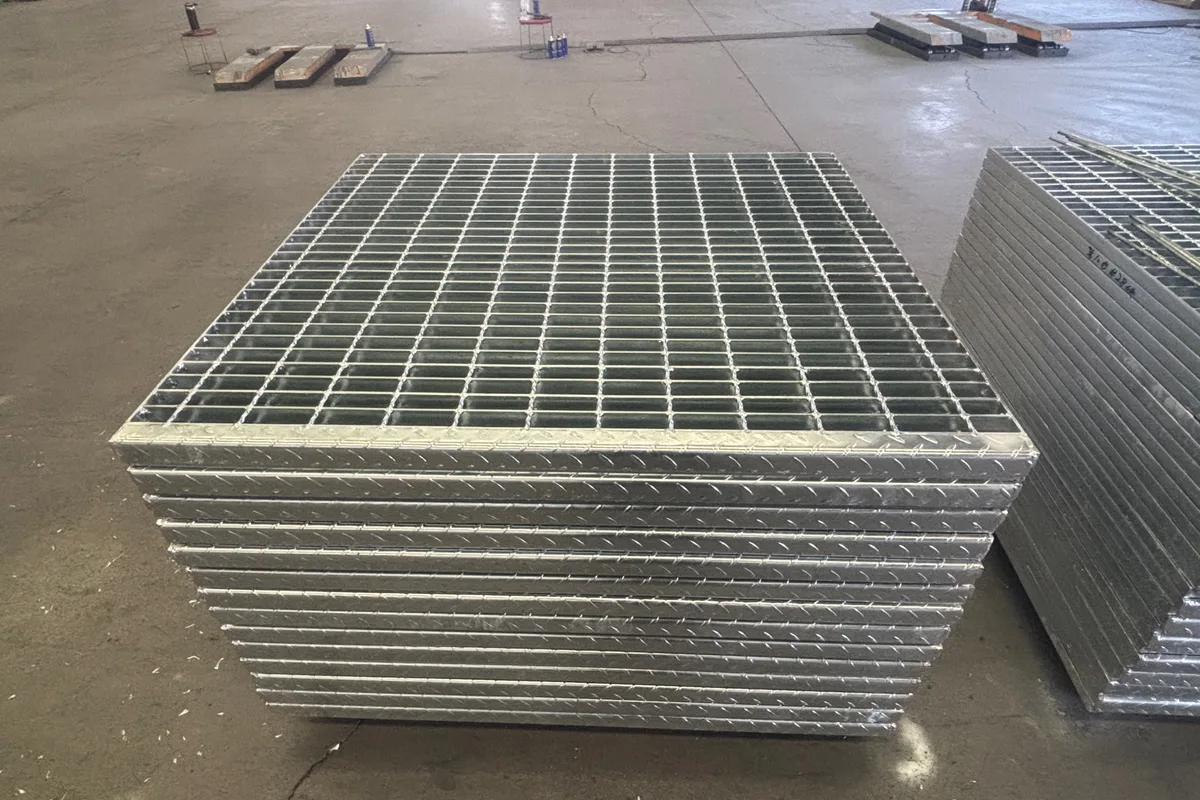
Hot-dip galvanizing means the finished steel item is immersed in a bath of molten zinc. The zinc reacts with the steel to form a bonded coating, so the protection is part of the surface rather than a layer sitting loosely on top.
Hot-dip vs electro-galvanizing
| Feature | Hot-dip | Electro-galvanized |
|---|---|---|
| Method | Immersion in molten zinc | Electrolytic deposition |
| Coating | Generally thicker | Generally thinner |
| Edge coverage | Covers cut edges and welds | Less robust at edges |
| Typical use | Outdoor and industrial grating | Light indoor applications |
How the coating protects
- It forms a barrier that keeps water and air off the steel.
- It is sacrificial: if scratched, the zinc corrodes in preference to the steel below.
- Cut edges and welds are covered because galvanizing happens after fabrication.
- Coating thickness is set by specification; service life depends on the actual environment.
What to check on delivery
- Coating is continuous with no large bare patches.
- No excessive zinc runs or sharp spikes that could cause injury.
- Panels are dry and not stained from wet storage.
- Cut edges made on site have been touched up with zinc-rich paint.
Hot-Dip Galvanized Grating FAQ
Is it the same as electro-galvanized?
No. Hot-dip immerses in molten zinc and gives a generally thicker coating; electro-galvanizing deposits a thinner layer.
Why galvanize after fabrication?
So cut edges and welds are coated, which would be left bare otherwise.
How long does it last?
Service life depends on the environment; do not treat coating thickness as a guaranteed number of years.