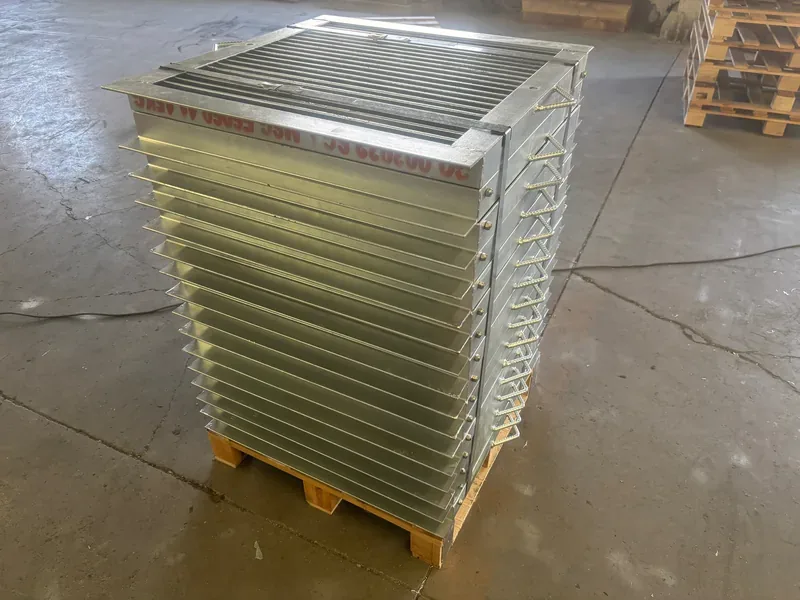
What is a gutter or catch basin grate?
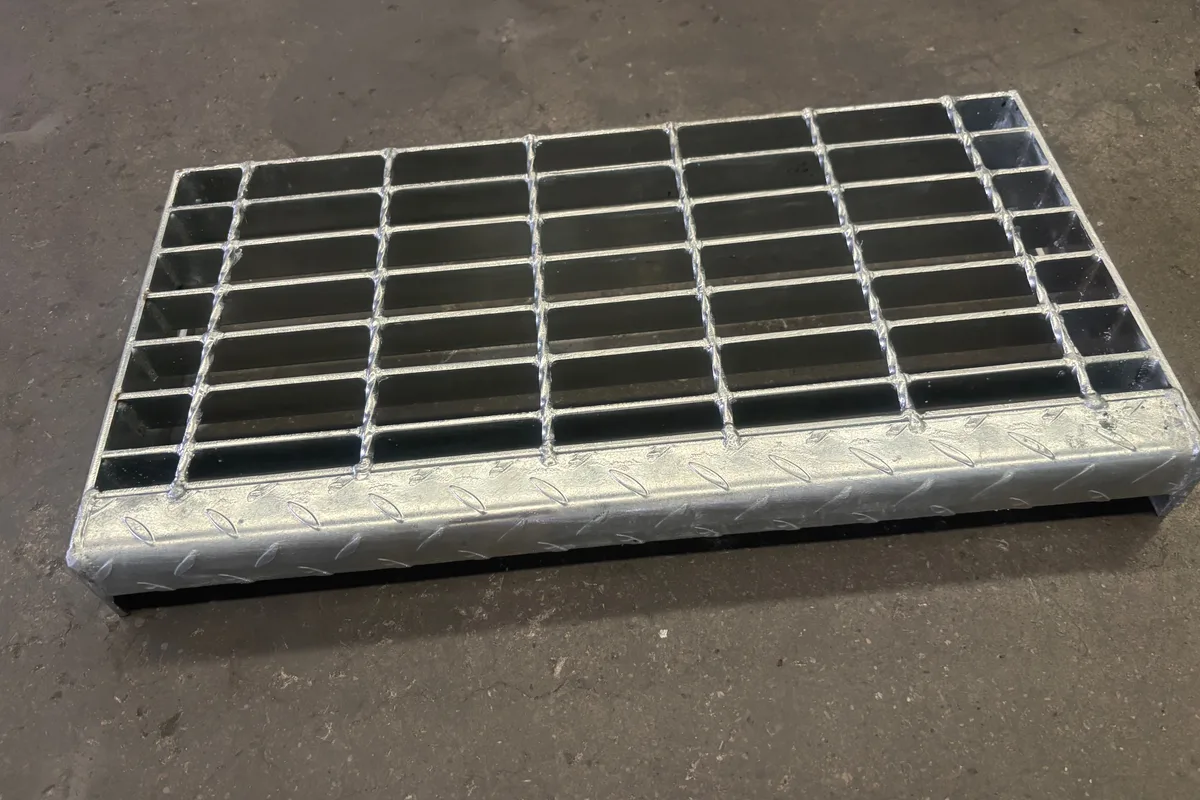
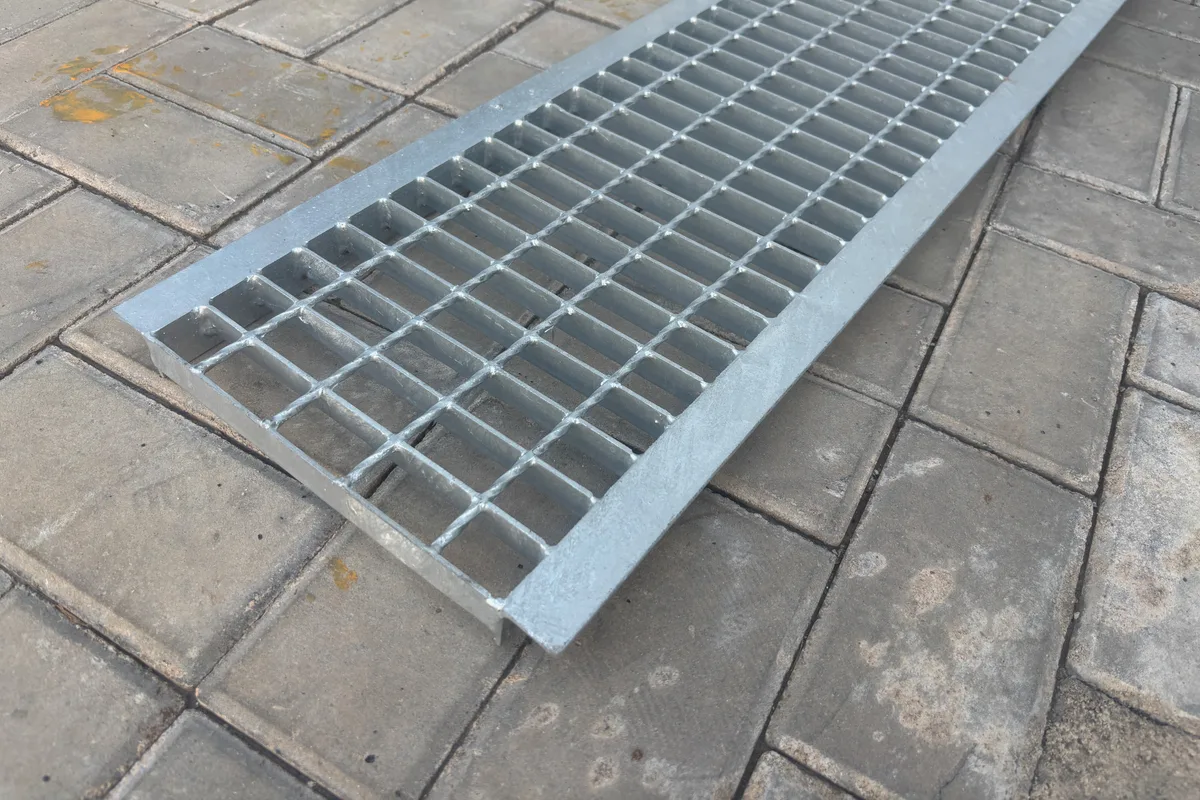
A catch basin grate is the cover over a point inlet—the opening at a gutter, kerb or low point where surface water enters the drainage system. Unlike linear trench grating, it collects water at a single location rather than along a run.
Catch basin grate vs trench grate
| Feature | Catch basin grate | Trench grate |
|---|---|---|
| Inlet form | Point inlet | Continuous run |
| Water capture | At a low point or kerb | Along the whole length |
| Typical load | Vehicle and street traffic | Pedestrian to heavy industrial |
| Shape | Square, round or rectangular | Long and narrow |
Inlet area versus load
- More open area captures water faster but carries less load for a given bar size.
- Heavier traffic needs more metal, which reduces the open area.
- The right answer depends on the location: a yard inlet differs from a highway gutter.
- Do not select on opening area alone; check the wheel loads that will cross it.
Selecting by location
- Footpaths and landscape: lighter duty, smaller openings for foot comfort.
- Car parks and yards: vehicle-rated, debris tolerant.
- Roads and highways: heavy duty, secured against displacement.
- Industrial yards: check forklift and truck wheel loads specifically.
Usage cautions
- A dislodged grate on a road is a serious hazard—check the fixing and seating.
- Leaf litter and silt block inlets; set a cleaning routine.
- Confirm the grate suits the frame or chamber it lands in.
- Do not use light-duty grating where vehicles will cross.
Ordering information
- Inlet opening dimensions and chamber detail
- Location type: footway, car park, yard or road
- Load case including vehicle or forklift traffic
- Shape, material and finish
- Fixing or anti-theft requirement and quantity
Gutter and Catch Basin Grate FAQ
How is it different from trench grating?
It serves a point inlet rather than a continuous run, and is usually square or rectangular rather than long and narrow.
Why not maximise the open area?
More open area captures more water but reduces load capacity; the location decides the balance.
Can it be secured?
Yes, locking or bolting is recommended on roads and public areas.