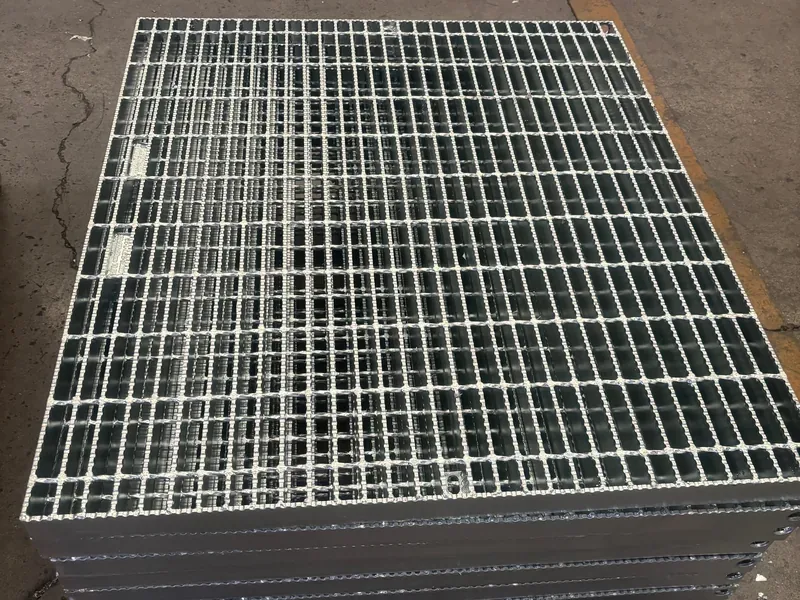
Why drainage is aggressive
Drainage grates sit in the worst combination of conditions: wet for long periods, exposed to whatever the drain carries, and often cleaned with chemicals. Standard coated steel can be sufficient, but the conditions need to be checked.
What drives corrosion here
- Chemical content: acids, alkalis, process residues and cleaning agents.
- Salts: de-icing salt, coastal air or saline process water.
- Wet-dry cycling: repeated wetting and drying concentrates corrosive residues.
- Debris and sediment: trapped material keeps the surface wet and creates local attack.
- Dissimilar metals: contact between different metals in a wet film.
Material options
| Option | How it protects | Typical use |
|---|---|---|
| Hot-dip galvanized steel | Zinc coating, sacrificial | General drainage |
| Stainless steel | Alloy resists corrosion | Aggressive or hygienic drainage |
| Coated carbon steel | Paint or polymer barrier | Specific chemical service |
How to specify
- Describe what the drain actually carries, not just that it is drainage.
- State the cleaning regime and the chemicals used.
- Note any salt exposure: de-icing, coastal or process.
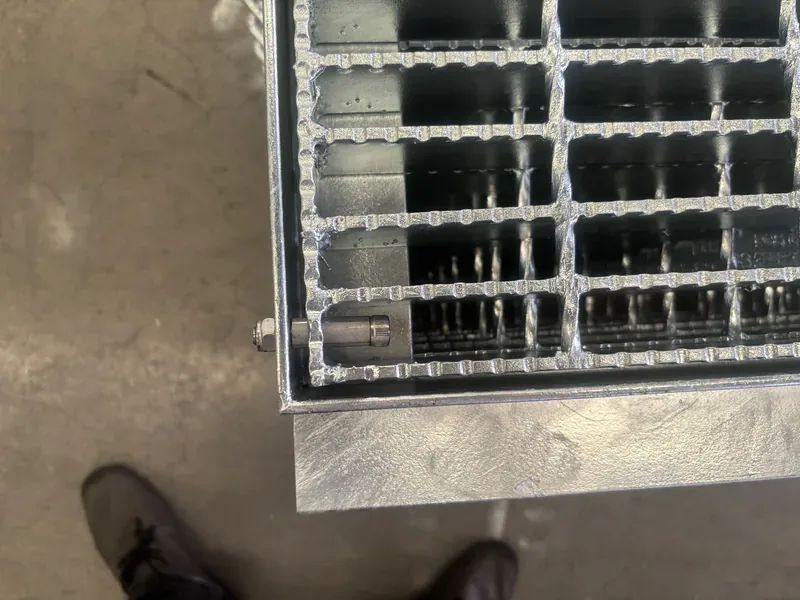
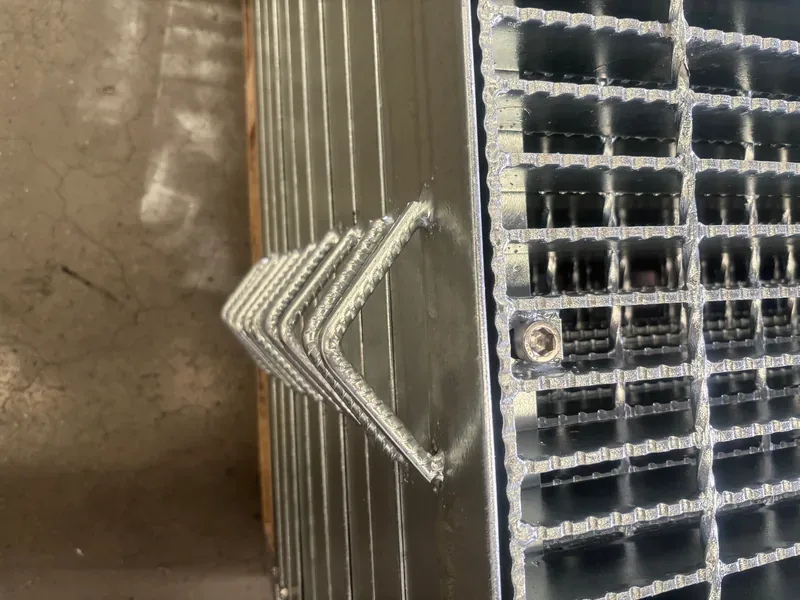
- Specify the frame and fixings to match the chosen material.
- Where conditions are severe, ask for the material recommendation explicitly.
Maintenance in these environments
- Keep grates clear so they dry rather than staying wet under debris.
- Touch up coating damage promptly on galvanized work.
- Inspect more often than in dry areas.
- See How to Maintain and Inspect Trench Grating.
Corrosive Environments FAQ
Is galvanized enough for drainage?
Often yes, but chemical content, salts and cleaning regime should be checked first.
When is stainless worth it?
In chemically aggressive, hygienic or coastal drainage where coating damage cannot be tolerated.
Do fixings matter?
Yes. Frame and fixings should suit the grate material to avoid dissimilar-metal problems.